Stories / Music & memory
A Song Comes Home
December, Alison Stewart and a journey from Glasgow to Cedarwood Road
Filming at No. 10 ·
In October 2015, a musical journey that had begun in Glasgow arrived at the front door of 10 Cedarwood Road.
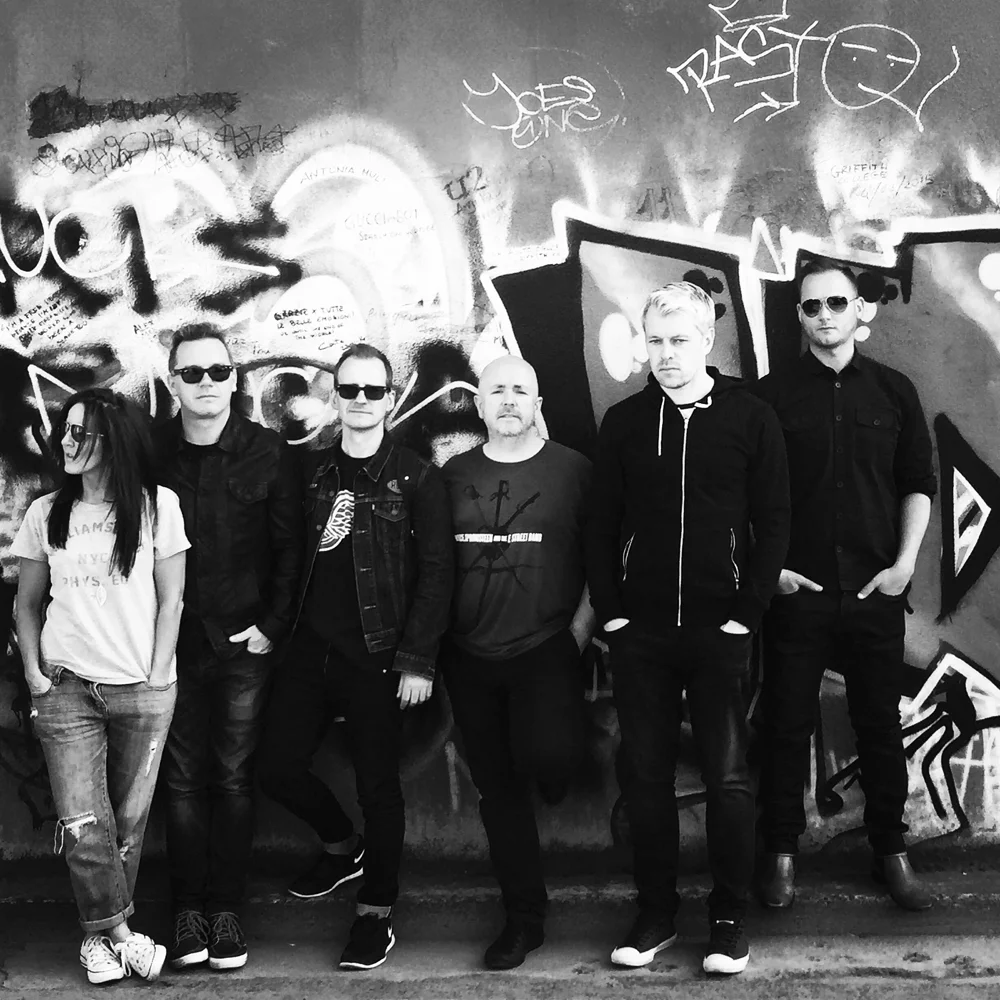
December are a Scottish band with an unusually direct explanation for why they make music: U2 and Bruce Springsteen were among the artists who inspired them to become a band in the first place.
That admiration eventually led to something more personal.
In 2014, December began writing “Alison Stewart”, a song conceived as a tribute and thank-you to U2 and to Alison Stewart — Ali Hewson. Rather than attempting to imitate U2, the band wanted to write about what the music, the people and the story surrounding it had meant to them.
The song quickly grew into a much larger project.
December decided that “Alison Stewart” needed a film, and that the film should be made in some of the real Dublin locations associated with the story they were trying to tell.
On Saturday, 24 October 2015, filming took December across Dublin.
Mount Temple, Grafton Street, Grogan’s, the Clarence Hotel, Hanover Quay and the Ha’penny Bridge were among the locations.
And then there was Cedarwood Road.
More specifically, No. 10.
For a short time, a family home became a film location.
But the photographs from that day reveal something rather different from the machinery normally associated with making a music video.
The focus is on the people and the familiar rooms around them.
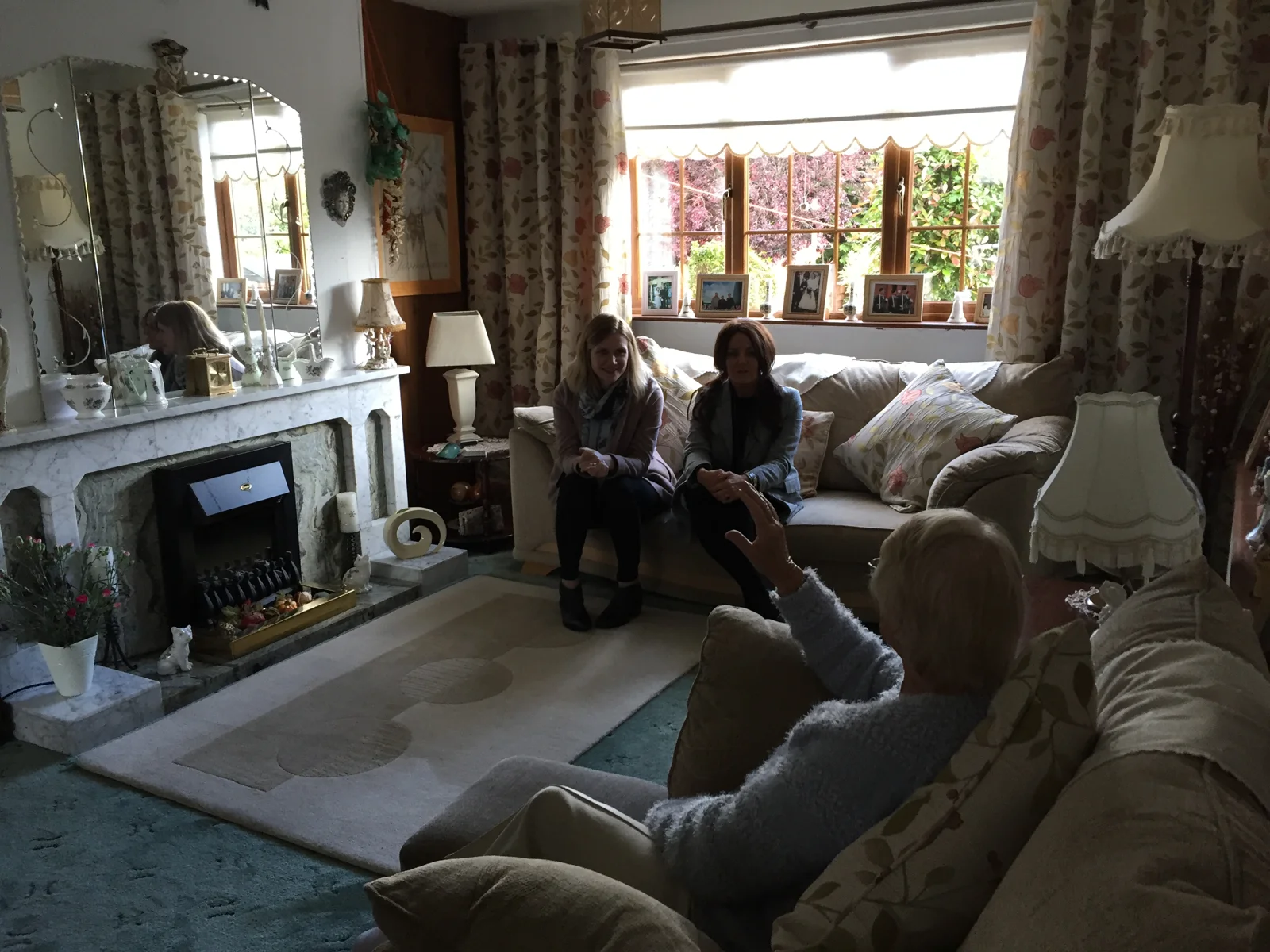
There are people sitting together in the living room. Young performers waiting for the next shot. Someone holding a camera. Familiar rooms temporarily becoming part of somebody else’s story.
It looks less like a film set than a group of people being welcomed into a home.
And perhaps that is why the photographs work so well.
Telling the story in the place where it began
For December, Cedarwood Road wasn’t chosen simply because its name would be familiar to U2 fans.
The song “Alison Stewart” looked backwards towards the people, relationships and places that existed before stadium tours and international success.
Cedarwood was part of that beginning.
December’s own account identifies Sam as Ali and Ollie as Bono — the young performers at the centre of the film.
So bringing the characters of the film into the house gave the project something that could not have been recreated convincingly elsewhere: a connection with the ordinary domestic world from which an extraordinary musical story had emerged.
One of the surviving pieces of footage captures that idea beautifully.
A young performer stands beside the familiar blue Cedarwood Road street sign while the camera records the moment.
It is playful and informal — precisely the opposite of a carefully manufactured piece of rock mythology.
In this short, silent clip, a young performer poses beside the blue Cedarwood Road street sign as the moment is filmed.
Inside No. 10
Some of the most atmospheric images from the project were made inside the house.
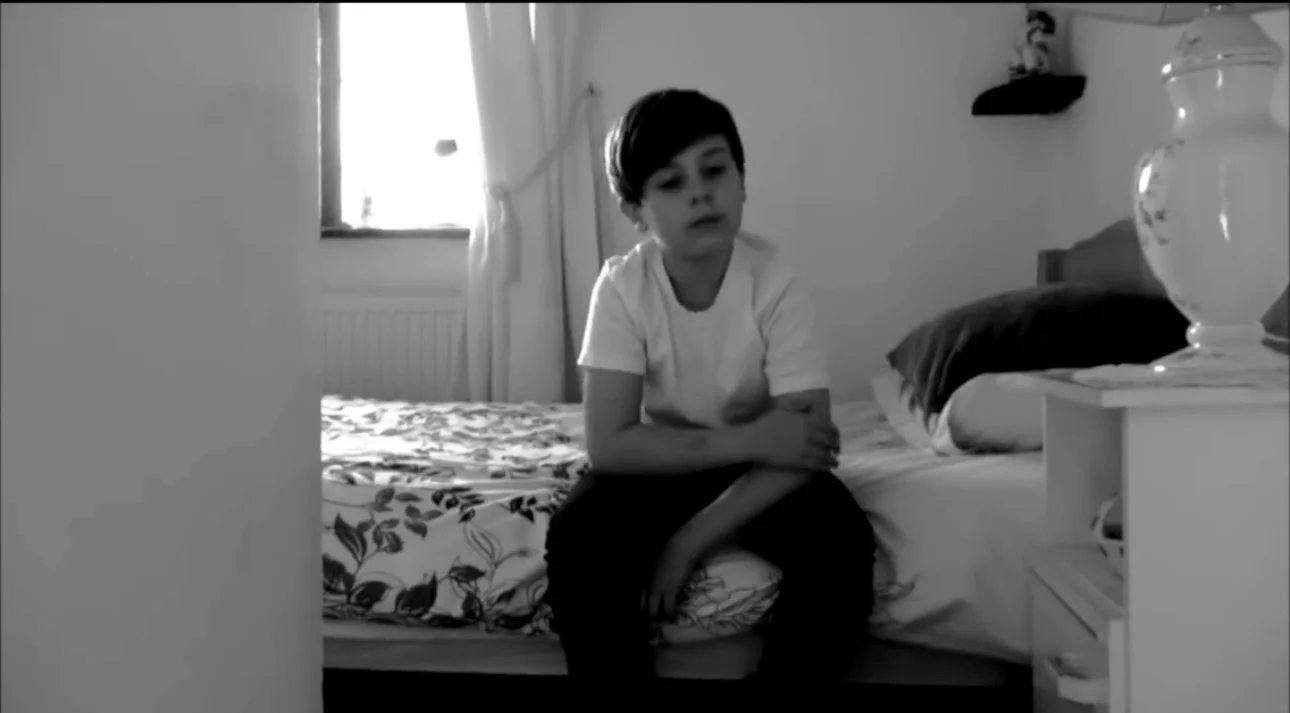
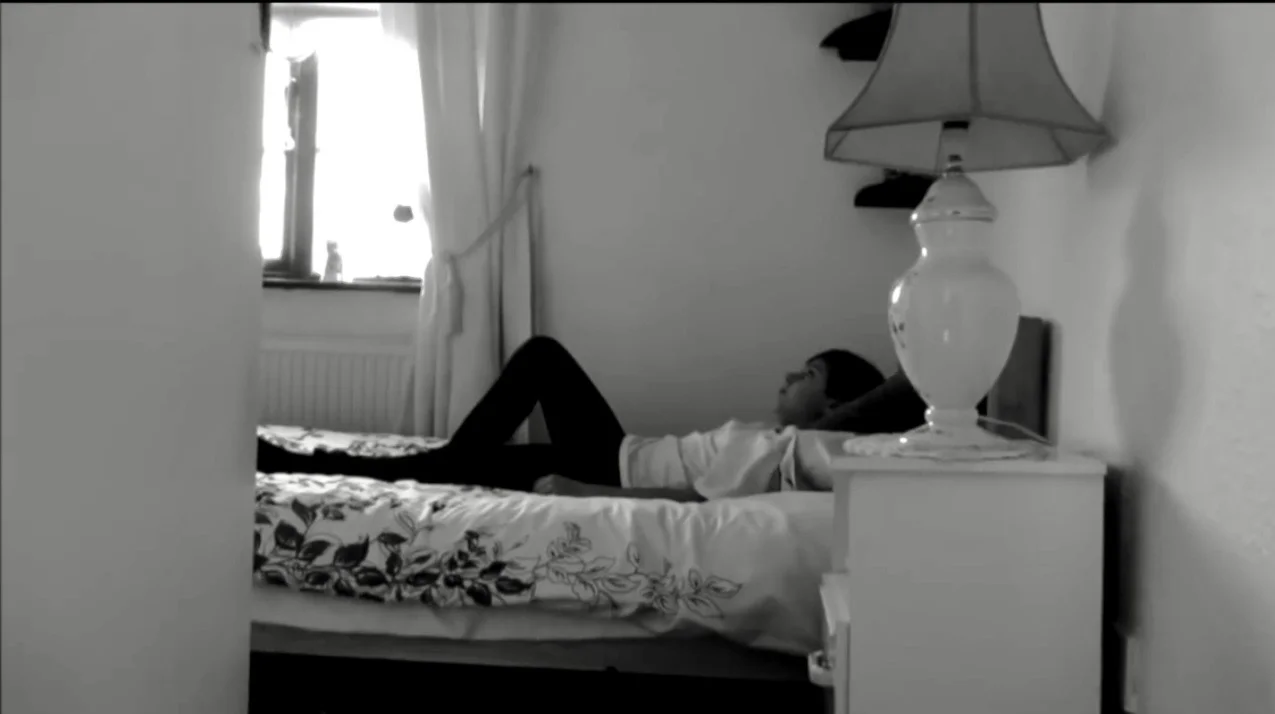
The black-and-white material shows the young character moving through an ordinary bedroom, standing at the front door and looking out across Cedarwood.
These are quiet images.
That matters.
For all the mythology that would later surround U2, the setting remains recognisably domestic: a bedroom, a bedside lamp, a front door, a suburban street.
The photographs remind us that before the records, concerts and journeys around the world, the story began among families, friends, bedrooms and streets much like these.
Alison Stewart
December released “Alison Stewart” on 2 November 2015.
The band described the project as an 18-month labour of love. Proceeds from the song were directed to Chernobyl Children International, a charity associated with Ali Hewson’s humanitarian work.
The project helped bring December back together creatively and formed part of a journey that repeatedly connected the Glasgow band with Dublin.
Looking back later, December listed some of the places that journey had taken them.
Among much grander locations was a considerably more modest address:
No. 10 Cedarwood Road.
The kindness of strangers
December later called their account of the experience “Alison Stewart and the kindness of strangers.”
It is an appropriate description.
The band specifically thanked Tom and Kathleen Ryan for their help and hospitality.
Their project depended on people allowing them into places that mattered: schools, pubs, streets — and homes.
No. 10 was one of them.
For Tom and Kathleen, it was their family home.
For December, for one day in October 2015, it became somewhere they could physically connect with a musical story that had travelled from a Dublin suburb to Glasgow and far beyond.
Those two perspectives are what make the visit worth recording here.
Not because a famous story makes an ordinary house important.
But because an ordinary house can become part of many people’s stories.
And every so often, some of those stories find their way back to the front door.